A good workday often starts long before an employee arrives at the office.
Sleep, energy levels, daily routines, movement, stress, and nutrition can all affect how people feel throughout the workday. When employees are tired or running low on energy, staying focused and engaged can become more difficult.
Employers can’t control what happens after employees leave work, but workplace wellness programs can introduce simple habits and resources that support better rest, healthier routines, and more consistent energy.
For Miami workplaces, where busy schedules and an always-on lifestyle can make slowing down a challenge, wellness experiences can give employees practical ways to recharge.
Sleep Is Part of Overall Wellness
Sleep sometimes gets overlooked in workplace wellness programs.
Programs frequently focus on nutrition, exercise, screenings, or stress management. Those are all important, but sleep connects with many of them.
Employees who aren’t getting enough quality sleep may find it harder to concentrate, stay active, manage stress, or maintain healthy routines.
That makes sleep a natural addition to a more complete approach to employee well-being.
👉According to the National Heart, Lung, and Blood Institute, getting enough quality sleep supports physical and mental health, quality of life, and safety.
Help Employees Understand Their Energy Patterns
Most people know when they’re tired. They may not always recognize the habits contributing to it.
A workplace wellness event can introduce employees to factors that affect energy throughout the day, including:
- Sleep routines
- Hydration
- Nutrition
- Physical activity
- Stress
- Screen habits
- Breaks during the workday
- Caffeine habits
The goal isn’t to tell employees how to live outside of work. Instead, wellness education can provide information and practical ideas they can choose to incorporate into their own routines.
Encourage Movement During the Workday
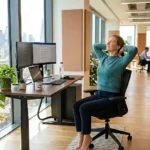
Sitting at a desk for hours can leave employees feeling sluggish even after a full night’s sleep.
Short opportunities for movement can help break up long periods of sitting and give employees a mental reset.
Workplace wellness activities might include guided stretching, short movement sessions, desk exercises, walking challenges, or demonstrations employees can easily repeat on their own.
These don’t need to become full workouts.
Even introducing employees to a few simple ways to move throughout the day can make wellness feel much more achievable.
👉The CDC also recommends that adults move more and sit less throughout the day as part of a healthy, active lifestyle.
Connect Nutrition With Steady Energy
The afternoon energy crash is familiar in many workplaces.
Wellness programs can use nutrition education to help employees understand how food choices and eating patterns may affect how they feel throughout the day.
Interactive nutrition experiences might include healthy snack demonstrations, nutrition consultations, smoothie stations, food sampling, or educational displays.
Instead of focusing on restrictive diets, the emphasis can be on practical choices employees can realistically make during a normal workday.
Make Time for Mental Breaks
Mental fatigue can feel a lot like physical fatigue.
Employees who spend hours concentrating, switching between tasks, answering messages, and managing deadlines may benefit from brief opportunities to mentally reset.
A wellness event can introduce techniques such as:
- Guided breathing
- Short meditation sessions
- Mindfulness exercises
- Gentle stretching
- Relaxation techniques
- Quiet wellness spaces
Even a few minutes can demonstrate that taking a break doesn’t have to mean abandoning productivity for half the afternoon.
Sometimes stepping away briefly is exactly what helps someone return to a task with renewed attention.
Talk About Healthy Sleep Habits
Sleep education can be incorporated into a workplace wellness event without becoming overly personal.
A wellness professional can provide general information about habits that support healthy sleep, such as maintaining consistent routines, creating a comfortable sleep environment, managing evening screen exposure, and developing ways to wind down before bedtime.
Employees can take the information that is useful to them without feeling as though their employer is monitoring their personal habits.
That distinction matters.
Good workplace wellness programs provide resources and opportunities. They don’t tell employees how they must live.
Create a Recharge Station
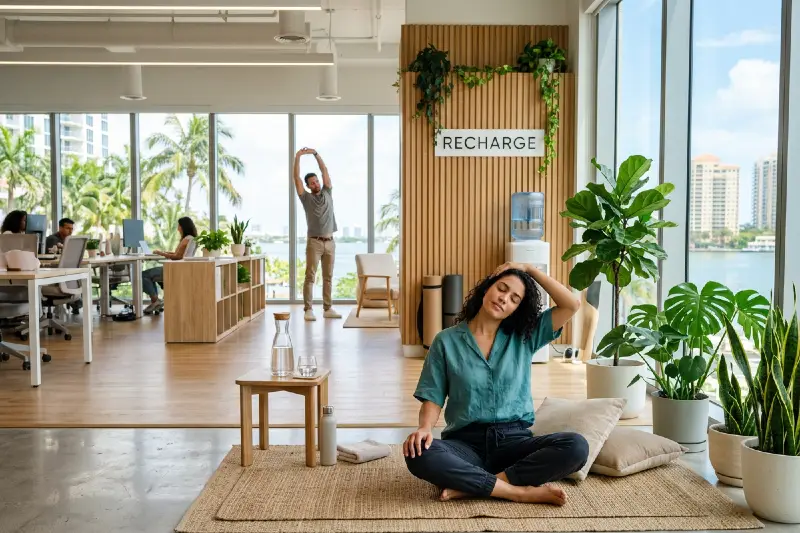
One way to make this topic interactive is to create a Recharge Station at your next employee wellness event.
Rather than simply giving employees a brochure about sleep and energy, let them experience several small wellness activities.
A recharge station could include:
- A brief guided breathing exercise
- Gentle stretching
- Aromatherapy
- Hydration
- Healthy energy-boosting snacks
- Sleep education
- Relaxation techniques
- A quiet seating area
- Wellness resources to take home
Employees can spend a few minutes exploring the activities that appeal to them.
This turns wellness education into an experience—and makes the information much more memorable.
Don’t Make Wellness Feel Like Another Job
One of the easiest ways to lose employee interest is to make wellness complicated.
Employees don’t necessarily need another challenge to track, another app to check, or a long list of habits they’re supposed to master.
Sometimes the most useful workplace wellness experiences are the simplest.
Drink some water. Stand up and stretch. Step away from the screen for a few minutes. Learn a breathing technique. Try a healthier snack. Discover one change that might make bedtime easier.
Small ideas are easier to remember and more likely to feel realistic.
Bring Rest and Recharge Into Your Workplace Wellness Program
Workplace wellness doesn’t always have to be high-energy.
Sometimes employees need opportunities to slow down, reset, and learn simple ways to take better care of themselves.
Miami Wellness Connect helps businesses create customized wellness experiences that bring health, relaxation, movement, nutrition, and other wellness resources directly to employees.
Whether you’re planning a dedicated employee wellness event or adding a recharge experience to an existing company gathering, the right activities can help create an event employees genuinely enjoy.